Find hot dip galvanized single tunnel greenhouse for planting, exhibition, and research
Source 30 hot dip galvanized single tunnel greenhouse options featuring steel frames and film covers. Buyers can compare specifications like span width, light transmittance, and ventilation systems for commercial agriculture, flower production, and scientific research applications.
Key considerations
Products List



Comprehensive Sourcing Guide
Strategic Sourcing Guide for Hot Dip Galvanized Single Tunnel Greenhouses
Understanding the Core Technical Architecture
The hot dip galvanized single tunnel greenhouse represents a specific category of agricultural infrastructure designed for efficiency, durability, and cost-effectiveness. The defining structural characteristic of this system is the use of a skeleton constructed from hot dip galvanized steel. This material choice is critical for longevity, as the galvanization process provides a robust anti-corrosion coating that protects the frame against the humid and often chemically active environments found in agricultural settings. The structural integrity relies on a frame that is engineered to withstand various environmental loads, including wind and snow, while maintaining a lightweight profile that facilitates easier installation compared to heavier alternatives.
The geometric configuration of the single tunnel greenhouse typically features an arched roof design. This shape is not merely aesthetic; it is a functional engineering decision that allows for the efficient shedding of rain and snow, reducing the risk of structural collapse during adverse weather events. The span width of these structures is a variable parameter that buyers must define early in the procurement process. Available configurations often allow for customizable span widths, typically ranging from 6 meters to 12 meters, depending on the specific crop requirements and site conditions. The ridge height is similarly adjustable, allowing the structure to be tailored to the specific growth habits of the plants being cultivated.
The covering material is a primary determinant of the greenhouse's performance. In the context of single tunnel structures, the cover is frequently a film, such as Polyethylene (PE), Polyvinyl Chloride (PVC), or Ethylene-Vinyl Acetate (EVA). These films are selected for their high light transmittance, which is essential for photosynthesis. The observed performance metrics for these films indicate a light transmittance rate of more than 80%, ensuring that sufficient solar energy reaches the crop canopy. This high transmittance is a key advantage for energy saving, as it maximizes natural heating during the day. The film is stretched over the galvanized steel frame to create a sealed, tunnel-like environment that can be managed for temperature and humidity control.
Compliance, Certification, and Structural Standards
When sourcing a hot dip galvanized single tunnel greenhouse, verifying compliance with structural and material standards is a fundamental step in risk mitigation. The primary material standard to verify is the quality of the galvanized coating on the steel frame. While specific thickness values may vary by manufacturer, the industry expectation is a hot dip galvanization process that ensures long-term resistance to rust and corrosion. Buyers should request documentation confirming that the steel frame meets the requirements for hot dip galvanization, which typically involves immersing the steel in molten zinc to create a metallurgical bond.
The structural design must also align with local building codes and agricultural standards relevant to the installation site. Although specific international standards are not universally mandated for all single tunnel greenhouses, the product specifications often reference a "Standard" or "Customized" production standard. For instance, some configurations are designed to meet specific span requirements, such as an 8-meter span, which serves as a common benchmark for medium-scale agricultural operations. Buyers must ensure that the supplier's design standards are compatible with the local wind and snow load requirements of the installation location.
In terms of material certification, the film covering should be verified for its durability and light transmission properties. The film materials, including PE, PP, and EVA, should be sourced from reputable manufacturers to ensure they meet the advertised light transmittance of over 80%. Additionally, the steel structure should be free from defects that could compromise the integrity of the hot dip galvanization. While specific certification bodies are not listed in the general product data, buyers should insist on mill test certificates for the steel and UV stability reports for the film. This due diligence ensures that the greenhouse will perform as expected over its intended lifespan without premature degradation.
Cost Drivers and Economic Considerations
The total cost of a hot dip galvanized single tunnel greenhouse is influenced by several dynamic factors, primarily driven by the scale of the structure and the quality of materials selected. The observed price range for such products can vary significantly, from low-cost entry-level models to high-end systems with advanced automation. This variation is largely due to the customization of the span width, ridge height, and the complexity of the ventilation and shading systems included. A basic single tunnel greenhouse with a simple arched roof and manual ventilation will be at the lower end of the cost spectrum, while a system equipped with automatic roll-up side ventilation and optional roof ridge ventilation windows will command a higher price.
The choice of covering material is another significant cost driver. While film is the most common and cost-effective option, the specific type of film (e.g., EVA vs. standard PE) can impact the price. Films with higher light transmittance and longer lifespans often come at a premium. Similarly, the thickness and quality of the hot dip galvanized steel frame affect the overall cost. A frame with a thicker zinc coating and higher-grade steel will be more expensive but offers superior durability and a longer service life.
The scope of the supply also plays a crucial role in the final price. Products are often shipped in seaworthy packages, and the cost of packaging and logistics can vary based on the size and weight of the greenhouse components. The origin of the product, typically from regions like Shandong or Shouguang in China, influences the base manufacturing cost, but shipping distances and import duties will add to the landed cost. Buyers should also consider the cost of additional systems, such as heating, irrigation, and control systems, which may be offered as optional add-ons. The availability of engineers for overseas service is another factor that can influence the total cost of ownership, as it may require a premium for technical support and installation guidance.
Typical Applications and Crop Suitability
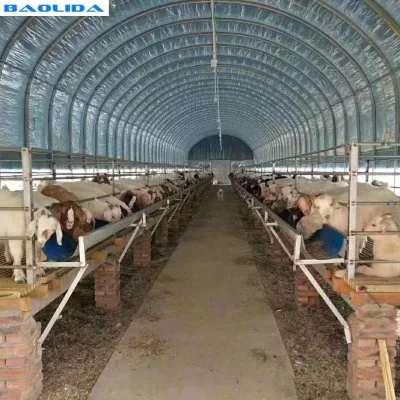
The versatility of the hot dip galvanized single tunnel greenhouse makes it suitable for a wide array of agricultural applications. The primary use cases include the production of vegetables, flowers, and fruits, as well as seedling cultivation. The controlled environment provided by the tunnel structure allows for the extension of growing seasons, enabling the cultivation of crops that might otherwise be limited by local climate conditions. The structure is particularly well-suited for overwintering of poultry and livestock, as well as mixed farming operations, due to its ability to maintain a stable internal environment.
The specific suitability of the greenhouse depends on the crop requirements. For example, flowers and herbs often benefit from the high light transmittance provided by the film covering, which promotes vigorous growth and vibrant coloration. Vegetables, which require consistent temperature and humidity control, can thrive in a tunnel greenhouse equipped with optional shading nets and ventilation systems. The adjustable ridge height allows for the cultivation of taller crops, while the customizable span width enables the creation of large, continuous growing areas for high-volume production.
In addition to traditional agriculture, these greenhouses are used for scientific research and exhibition purposes. The ability to control environmental factors makes them ideal for testing new crop varieties or demonstrating agricultural technologies. The structure can also be adapted for aquaculture, providing a protected environment for water-based farming operations. The key to maximizing the utility of the greenhouse lies in matching the specific features of the structure, such as the ventilation and shading systems, to the unique needs of the intended crop.
Supplier Evaluation and Quality Assurance
Selecting a reliable supplier is paramount when investing in a hot dip galvanized single tunnel greenhouse. Buyers should prioritize suppliers who demonstrate a clear understanding of the technical specifications and can provide detailed documentation regarding their manufacturing processes. The origin of the product, often from China, is a common factor, but the specific region, such as Shandong or Shouguang, may indicate a concentration of specialized manufacturers. Buyers should verify the supplier's experience in producing greenhouses with the specific features they require, such as the hot dip galvanized steel frame and the specific film types.
Quality assurance should be a central component of the supplier evaluation process. Buyers should request samples or detailed specifications of the galvanized steel and the covering film to verify the quality of materials. The supplier should be able to provide evidence of their quality control processes, including inspections of the frame welding and the application of the galvanization coating. The availability of engineers for overseas service is a strong indicator of a supplier's commitment to customer support and long-term reliability. This service capability ensures that any issues during installation or operation can be addressed promptly by qualified professionals.
The packaging and shipping methods are also critical indicators of a supplier's professionalism. Products should be packed in seaworthy packages designed to protect the components during transit. The supplier should be able to provide a detailed packing list and ensure that all necessary parts and documentation are included. Buyers should also evaluate the supplier's ability to meet the required lead times and their flexibility in accommodating customized orders. A supplier that can offer customized packing and standard-compliant products is more likely to deliver a high-quality greenhouse that meets the buyer's specific needs.
Long-Term Procurement and Maintenance Strategies
The long-term success of a hot dip galvanized single tunnel greenhouse depends on a proactive approach to maintenance and procurement planning. The durability of the hot dip galvanized steel frame is a key asset, but regular inspections are necessary to ensure the integrity of the coating and the structural stability of the frame. Buyers should establish a maintenance schedule that includes checking for signs of corrosion, especially in areas where the coating may have been damaged during installation or transport. The film covering also requires regular monitoring for tears, UV degradation, and dirt accumulation, which can reduce light transmittance and affect crop yields.
When planning for long-term procurement, buyers should consider the modularity and expandability of the greenhouse system. The customizable span width and ridge height allow for future expansion or modification of the structure to accommodate changing crop requirements or business growth. The availability of optional systems, such as automatic ventilation and shading, provides the flexibility to upgrade the greenhouse as technology advances or as the operational needs evolve. Buyers should also factor in the cost of replacement parts, such as film rolls and ventilation components, into their long-term budgeting.
The role of the supplier in the long term is also significant. A supplier that offers ongoing technical support and service, including the availability of engineers for overseas assistance, can be a valuable partner in maintaining the greenhouse's performance. Buyers should establish a clear communication channel with the supplier to ensure that any issues can be resolved quickly and efficiently. By prioritizing quality, customization, and long-term support, buyers can ensure that their investment in a hot dip galvanized single tunnel greenhouse yields maximum returns over its operational lifespan.
Comparative Analysis of Greenhouse Configurations
To assist buyers in making informed decisions, it is helpful to compare the key attributes of different greenhouse configurations. The following table outlines the primary differences between single tunnel and other common greenhouse types, based on the observed product data.
| Feature | Single Tunnel Greenhouse | Multi-Span Greenhouse | Glass Greenhouse |
|---|---|---|---|
| Skeleton Material | Hot Dip Galvanized Steel | Hot Dip Galvanized Steel | Hot DIP Galvanized Steel |
| Cover Material | Film (PE/PP/EVA) | Film (PE/PP/EVA) | Glass (Hollow/Single/Float/Tempered) |
| Light Transmittance | > 80% | > 80% | > 90% |
| Roofing Shape | Arched Roof | Arched or Flat | Flat or Arched |
| Ventilation System | Manual/Automatic Roll-up | Manual/Automatic | Manual/Automatic |
| Primary Application | Vegetables, Flowers, Seedlings | Commercial Production, Research | High-Value Crops, Research |
| Cost Efficiency | Low Cost, Energy Saving | Moderate Cost | High Cost |
| Span Width | Customizable (6m-12m) | Multi-span options | Standard or Custom |
This comparison highlights that while glass greenhouses offer higher light transmittance, the single tunnel greenhouse provides a cost-effective solution with sufficient light transmission for most agricultural needs. The flexibility of the single tunnel design, combined with the durability of the hot dip galvanized frame, makes it a versatile choice for a wide range of farming operations. Buyers should weigh these factors against their specific budget and crop requirements to determine the most suitable configuration.
FAQs
What is the typical light transmittance of this greenhouse?
The light transmittance is typically more than 80 percent, with some models reaching over 90 percent. This high rate ensures sufficient solar energy for photosynthesis, which is essential for growing vegetables, flowers, and fruits effectively.
Which materials are used for the frame structure?
The frame is constructed from hot dip galvanized steel to ensure durability and anti-corrosion protection. This material choice allows the structure to withstand environmental loads while maintaining a lightweight profile for easier installation.
Can the span width be customized for specific needs?
Yes, the span width is customizable, typically ranging from 6 meters to 12 meters. This flexibility allows buyers to tailor the greenhouse dimensions to specific crop requirements and site conditions without compromising structural integrity.
What covering materials are available for the roof?
Cover materials include various films such as PE, PP, EVA, or glass depending on the model. These options provide high light transmittance and are selected to meet specific agricultural needs like energy saving or long-term durability.
How is the ventilation system configured in this design?
Ventilation can be configured as manual or automatic roll-up side ventilation with optional roof ridge windows. This system allows for precise control of temperature and humidity, which is critical for successful plant cultivation.
What is the origin of these greenhouse structures?
These greenhouses originate from China, specifically from regions like Shandong and Shouguang. Buyers can expect products to be packed in seaworthy packages for safe international transport from these manufacturing hubs.
Which applications are suitable for this greenhouse type?
This greenhouse is suitable for planting vegetables, flowers, fruits, and seedling cultivation. It also supports mixed farming, aquaculture, and overwintering of poultry and livestock due to its adaptable environmental control capabilities.